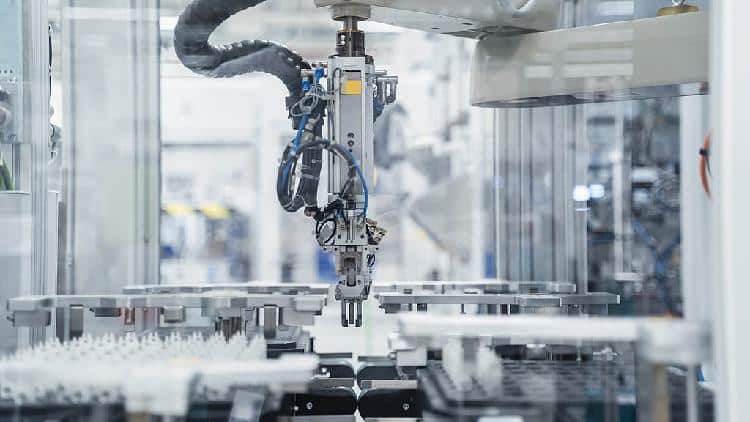
Unlike traditional manufacturing methods, custom automotive injection molding has become a game-changer in this particular sector, providing the needed precision and flexibility in the production of EV parts with a guaranteed scale. The advent of electric vehicles (EV) has undoubtedly turned the automotive industry upside down, with consequent development of light, tough and economical components.
Injection molding uses a custom-designed mold that melts plastic, composite or polymer material and injects it into the mold, which cools or solidifies into the required shape. With its high efficiency for the mass production of high-quality but complex components at minimum material waste and cost for production, this method is highly applicable. Weight reduction in the EV industry directly impacts battery range, efficiency, and performance, which makes injection molded parts essential in designing the vehicle.
Some of the critical EV components are custom injection molded and therefore, custom injection molding is an important part of the manufacturing process.
• Battery casings and enclosures – Providing structural support and heat resistance.
• Interior trims and dashboard panels – aesthetic and functional interior cabin.
• Aerodynamics and impact resistance enhancements – Exterior body parts on the external nozzles.
• Electrical connectors and insulation components – Ensuring safety and reliability in high-voltage systems.
Custom injection molding is one of those that you should choose because you can use advanced materials like the reinforced thermoplastics, polycarbonates, and composite resins, which give better strength, heat resistance, and durability. Also, this technology enables sustainable manufacturing since recycling plastics and bio based polymers is supported, helping to reduce overall carbon footprint of EV production.
Custom automotive injection molding is one of the drives for innovation around the world as electric vehicle adoption accelerates, enabling the manufacturers to mold lightweight, high performance and cost effective parts for higher efficiency, safety and sustainability.
The Role of Plastics in the Rise of Electric Vehicles

Today, sales of EVs have been on the rise and the global shift towards EVs is on the move. Sales of electric cars in the world increased by 73% in 2018 compared to 2017, which means it is one of the biggest changes in the automotive industry in recent times. The question is, what has caused this transition, projections suggesting that by 2030, half of all vehicles on the road will be electric or hybrid. Another factor is that EVs have become more efficient, cheaper, and more accessible to people from the fact plastics have been used in EV manufacturing.
A Look Back: The Early Days of Electric Vehicles
EVs have a history that goes back more than a century, and despite the time that has passed, they may seem like new technology. Interest in the new form of transportation involving electric cars was sparked when the first practical electric car was introduced in the United States in 1889, by William Morrison of Des Moines. Electric cars once accounted for nearly one third of the vehicles on an American road by 1900, a fact that proves they once were a competitive alternative to gasoline powered cars.
Why Electric Cars Lost Popularity
Their early success doomed them, however, as gasoline powered cars were invented. The development of large crude oil reserves found in Texas made gas powered vehicles also affordable for the average working man through the discovery of Henry Ford’s mass produced Model T in 1908. By 1930 electric cars were almost entirely gone from the market.
In the 1970s with the global fuel crises, such small electric models as Sebring-Vanguard CitiCar enjoyed a brief revival. However, such vehicles had limited range and slow speeds. The drop in public interest in EVs once again occurred after gas prices stabilized.
The Comeback of Electric and Hybrid Cars
In the 1990s, automotive engineers started discussing the electric technology of the early 1900s and started developing hybrid vehicles that used electric power combined with gasoline engines for more efficiency. For that reason, in 1999, Toyota had introduced the world’s first mass produced hybrid car—Toyota Prius. Meanwhile, Tesla Motors entered the market in 2006, with high-tech, high-performance electric sports cars which, in their stride, altered the minds of the public as to what an EV should be like.
The interest in electric vehicles rose as pressures grew over rising fuel prices and climate change. However, the costs of the batteries were still high, and there was little infrastructure to allow for the charging of cars at stations. Public charging infrastructure made EV ownership practical in 2010 when the U.S. Energy Department began investing in the infrastructure. And in that same year, Nissan’s first fully electric mass-produced vehicle with zero tailpipe emissions, the LEAF, was introduced.
Global Automotive Parts Injection Mould Market Overview

In recent years it has witnessed a lot of growth in the global injection molded automotive parts market due to the large increase in demand for lightweight, cheap and durable parts in the automotive sector. The industry research suggests that the market was about USD 56.4 billion in 2022 andexceededg USD 59.2 billion in 2023. The market for the compound annual growth rate (CAGR) of 4.8% is likely to exceed USD 84.5 billion in the next decade of 2032.
The growth is driven by spurts in automotive manufacturing technology, rising EV adoption and greater focus on energy efficiency along with sustainability. The production of high.precision interior and exterior vehicle components both in terms of durability and cost is realized through injection molding.
Market Trends and Future Outlook
A new shape is being taken by industry with the growing demand for polypropylene (PP), acrylonitrile butadiene styrene (ABS), high density polyethylene (HDPE) and other advanced plastics. Lightweight and recyclable materials are becoming increasingly attractive to attract investment from automotive manufacturers who want to enhance the vehicle efficiency and reduce on the environmental impact.
With the growth of the electric and hybrid vehicle demand, the injection molded automotive parts market still shows great potential, becoming a highly promising area of automotive manufacturing in the future.
Understanding Custom Automotive Injection Molding

Injection molding is a manufacturing technique of melting the plastic resin and injecting it into a mold cavity at very high pressure. This passes the plastic through the mold and it cools and solidifies into a highly accurate and durable product. The EDV parts are produced using custom injection molding process as a result, which tailors the process to specific design and functional requirements to create complex and high performance EV parts.
Critical Features of Custom Injection Molding
- Consistency and accuracy in precision-manufactured, and intricate parts are reached through precision manufacturing.
- When combined with a wide plastics and composites, it supports a variety of high-performance polymers.
- It is efficient for both prototyping and large-scale production due to its scalability.
- With time, cost-effectiveness lessens the material waste and lowers production costs.
- Markets on a clear path towards the production of sustainable EVs are supported by eco-friendly materials.
Why Injection Molding Is Important in Electric Vehicles

Traditional gasoline-powered cars have requirements which differ significantly from those of electric vehicles. None of the advantages of using custom molded plastic pieces have to sacrifice vehicle efficiency, longevity, and driving experience.
Weight Reduction for Improved Efficiency
To achieve maximum driving range, the materials used in battery powered vehicles need to be lighter. Heavy metal components are replaced by injection molded plastics that save energy, increase mileage. Lighter vehicles require less power, which in turn extends the battery life and, thus, aids in the general sustainability of EVs.
Thermal and Electrical Insulation
High voltage components are used in electric vehicles and they must be insulated for safety and efficiency reasons. Plastics are custom injection molded with excellent thermal and electrical insulation to fit the enclosure around the battery, wiring system and motor housing. They help regulate heat dissipation and prevent electrical hazards in the power systems of EVs, which contribute to the reliability of EV power systems.
Durability and Impact Resistance
However, custom injection molded components are designed to bear such harsh conditions as temperature variances, vibrations, and mechanical stress. Commonly used are these parts in under the hood brackets, dashboard panels and protection of the electronic components housings. Long term reliability of electric vehicles is a result of durability of injection molded plastics.
Design Flexibility for Complex Parts
Electric vehicles today are complex and engineered parts have to be perfectly engineered. Injection molding gives manufacturers the ability to complete intricate designs with a high degree of accuracy ensuring design and performance fit without any complications. Some unique shapes, textures and structural reinforcements can be created on the custom molds that will optimize the performance of the different components used in a vehicular EV.
Applications of Custom Injection Molding in EVs
With the fast development in the electric vehicle (EV) industry, manufacturers are always looking for ways to improve electric vehicle efficiency, cut costs and raise the vehicle performance. Injection molding has become more and more essential to EV production. The process of manufacturing these lightweight and durable components that are precisely engineered enables mass production, and they are widely used for things like battery casings and interior panels for electric vehicles.
Electric Vehicle Benefits from Injection Molding
There are many advantages of injection molding in EV manufacturing.
- Lightweight Components: The use of reinforced plastics allows for lighter weight of the vehicles, which is essential to increasing battery range.
- Cost-Effective Production: It has the ability to produce intricate parts on a very large scales resulting in minimal material waste.
- Design Flexibility: Geometric optimization is easy due to complex shapes and custom designs so that manufacturers can refine aerodynamics and function.
- Many injection-molded parts are recyclable, and this can make vehicle manufacturing environmentally friendly.
Battery Components

The batteries of electric vehicles are the heart of the electric vehicle, and injection molding performs a very important function in the production of many battery-related components, of which are as follows:
- Battery Cells: These cells are encased and protected by a battery casing. The inclusion of injection molded thermoplastics also provides durability, heat resistance and weight efficient construction, which results in improving the efficiency of the vehicle.
- Battery Holders and Mounts: This category of component is important in providing a place to hold and mount battery cells so that they do not move around, and by therefore not vibrating against the pack, which could affect performance.
- Battery Longevity: in the absence of proper cooling, battery longevity may be severely jeopardized. Precise design and integration of cooling channels that control Battery temperature is possible using injection molding.
Exterior Components

Safety, aesthetics, and aerodynamics (affecting battery longevity) are key criteria in EV design. Injection-molded exterior components include:
- Bumpers: Small, lightweight but impact-resistant parts that also improve vehicle safety and reduce the vehicle’s weight.
- Aerospace fenders and Light Housings: Injection molding is perfect for producing very sleek, Aerodynamic fenders and the protective casings required for vehicle lights.
- Airflow Panels: In the same way as in most EVs molded plastic panels are used to optimize airflow, thereby optimizing drag and improving efficiency.
Interior Components

Comfort, functionality and design of the modern age have to be balanced inside an electric vehicle. Injection molding contributes to:
- Car Dashboard Panels: The Car dashboard panels are made of high-quality molded plastics for a smooth, visually appealing appearance and can incorporate control systems.
- Seating and Armrests: Various seat components, such as trim pieces and armrests, are injection molded using durable and ergonomic materials.
- Storage Compartments: This technology has also been exploited to generate glove boxes, center consoles, and door items with exact fits and durable designs.
Electrical and Wiring Components

The wiring systems for electric vehicles are complex, and injection molding plays a key role in producing the main electrical components of certain electrical components, for instance:
- Connectors and Housings: They are safety and reliability protected by injection molded plastic casings for electrical connections.
- Insulation Components: Proper use of insulation is essential to avoid electrical faults, and molded plastic parts are the right ones to use for such a protection.
Lightweight Structural Components
The EV design priorities are weight reduction; lighter vehicles consume less energy and achieve higher range. This goal is brought about by injection molded parts that replace conventional metal components with high strength composite materials. Key applications include:
- Reinforcement parts and chassis parts: Some structural components can be made of reinforced plastics so that usages will be limited, and passed on the strength while reducing the weight.
- Battery Trays: Injection molded trays give battery pack battery trays lots of support and are light for its weight while offering battery cooling and cable management.
Charging System Components

For EVs to be adopted, there is a need for charging infrastructure and injection molded plastics are integral in the development of efficient and safe charging systems. Charging ports, connector housings and protective covers are custom shaped components. These parts gives insulation, weather protection and toughness to withstand regular use.
Under-the-Hood Components

Although out of sight to the casual observer, many of the parts of a cable management system, sensor housing, and cooling system are made through injection molding. These components aid in electrical systems organization, protection of sensitive electronics as well as the entire efficiency of the EV powertrains.
Injection molded automotive parts mostly use key materials.

In terms of automotive parts production, injection molding is highly dependent on automakers for the manufacturing of various parts including interior trims and structural components. The choice of suitable materials with the promise of durability, lightweight properties and almost cost efficiency is crucial for the success of this process. As the number of electric vehicles (EVs) increases and driving forces for sustainability continue, advanced plastics and composites are gaining even more importance. The following are some of the important injection molding automotive parts using these key materials.
1. Polypropylene (PP)
Why It is Used:
One of the most commonly used plastics in automotive industry are polypropylene because its low cost, lightweight nature and excellent chemical resistance.
Applications in Automotive Parts
- Interior trims (dashboards, door panels)
- Bumpers and fenders
- Battery casings in electric vehicles
- Under-the-hood components
2. Acrylonitrile Butadiene Styrene (ABS)
Why It is Used:
The high impact strength, durability and aesthetic appeal are the reasons for the high value of ABS. It is also very easy to be molded in complex shapes and is a popular choice for internal and external components.
Applications in Automotive Parts:
- Dashboard panels and center consoles
- Grilles and exterior trims
- Pillar covers and mirror housings
- Air vents and instrument clusters
3. Polycarbonate (PC)
Why It is Used:
It is well known for its high impact resistance and transparency so that it is suitable for parts where durability along with optical clarity is required.
Applications in Automotive Parts:
- Headlight and taillight lenses
- Sunroofs and panoramic roofs
- Display screens and instrument panels
4. Nylon (Polyamide, PA)
Why It is Used:
Nylon is a high performance thermoplastic material with high strength, excellent wear resistance and good heat resistance, ideal for components in which high stress environments will be encountered.
Applications in Automotive Parts:
Their small size allows them to be fitted under the engine covers and air intake manifolds.
- Gear shift mechanisms
- Under-the-hood components
- Wire harness connectors
5. Polyethylene Terephthalate (PET)
Why It is Used:
PET is well known for its excellent mechanical properties, high rigidity and heat resistance, lending it to structural and under-the-hood parts applications.
Applications in Automotive Parts:
- Seatbelt components
- Fuel system parts
- Electrical connectors and housings
6. Polyurethane (PU)
Why It is Used:
Polyurethane offers an excellent combination of high flexibility, high durability and good abrasion resistance, and it can lend to the use of these materials for soft touch applications, such as in vehicle interiors.
Applications in Automotive Parts:
- Seat cushions and armrests
- Soundproofing and vibration-dampening materials
- Steering wheel covers
7. Polyoxymethylene (POM)
Why It is Used:
Acetal is an abbreviation for POM, a strong and low friction material which is very resistant to wear, and is therefore ideal for moving mechanical parts.
Applications in Automotive Parts:
- Gears, bearings, and bushings
- Fuel system components
- Door lock systems
8. Thermoplastic Elastomers (TPEs)
Why It is Used:
TPEs are a combination of rubber flexibility and plastic durability with excellent environmental conditions.
Applications in Automotive Parts:
- Weather seals and gaskets
- Grips and soft-touch surfaces
- Cable insulation
9. Carbon-Fiber Reinforced Plastics (CFRP)
Why It is Used:
Advanced composite material CFRP has been considered to be a premium material due to high strength-to-weight ratio, rigidity and heating resistance with excellent properties, which are needed for high performance vehicles.
Applications in Automotive Parts:
- Structural components (chassis reinforcements, body panels)
- Battery enclosures in electric vehicles
- Lightweight aerodynamic parts
10. Glass-Fiber Reinforced Plastics (GFRP)
Why It is Used:
In addition, despite their light weight, glass reinforced plastics are extremely strong and, in many cases, are used in load bearing applications.
Applications in Automotive Parts:
- Bumper beams and brackets
- Suspension components
- High-strength structural reinforcement
Advantages of Custom Injection Molding for EV Manufacturers
Cost Efficiency
With custom injection molding, production costs are brought down due to the fact that it reduces the use of materials and allows the mass production of high quality components. It is a cost effective solution because the ability to produce thousands of parts that are guaranteed to be identical with minimal defects.
Enhanced Safety and Reliability
Injection molding of high performance plastic provides excellent performance against heat, chemicals and mechanical stress. This property makes them well suited as safety critical EV components which ensure reliability in the extreme conditions.
Sustainability and Eco-Friendliness
EV manufacturing is a major focus on sustainability, and that is one of the reasons why injection molding is a green process. Many custom molding plastics are recyclable and the process itself is waste minimal. It is also noted that lightweight plastic components also contribute towards overall energy efficiency and lowering of the carbon footprint of electric vehicles.
Customization and Innovation
Due to custom injection molding, manufacturers can innovate and create unique solutions for the EVs. Automakers can customize components such as advanced battery enclosures and smart sensor enclosures to meet certain performance or design needs. However, due to this flexibility, electric vehicle technology continues to improve.
Challenges and Future Trends in EV Injection Molding

While injection molding is providing multiple benefits to the manufacturers, they do face some challenges in finding material, production scalability, etc., to name a few. Growing need for material that are sustainable and high performance leads to development of advanced polymers with higher strength, temperature resistance and recyclability.
However, integration with a computerized workplace will improve efficiency and allow customization in the future by integrating automation, artificial intelligence, as well as 3D printing with injection molding. The evolution of electric mobility will be fueled by smart manufacturing techniques which will make the production of even more complex, as well as lightweight EV components, possible.
Conclusion
Custom automotive injection molding has become a fundamental part in setting up the production of electric vehicles, enabling manufacturers to produce critical precision-engineered, lightweight, durable parts in volume. More material science and more manufacturing efficiency will continue to come out of it, as we ramp up the EV market now. The injection molding of EVs has a vital role in reducing vehicle weight, saving battery efficiency and jointly increasing driving range. Automakers can attain structural integrity without sacrificing weight using integration of reinforced thermoplastics, composites, and bio-based materials.
Additionally, automakers may customize injection molding which allows for designing parts by their own aesthetic, functional, and performance requirements. Injection molding also enables a high amount and precise precision with low cost for indoor trims, inside panels, car enclosures, and other parts while meeting strict quality standards. Still to come are advancements with sustainable materials and smart manufacturing that will continue to increase the role of injection molding that will play in EV production. They bring various recyclable and biodegradable plastics that help reduce waste and minimize the environment’s impact on the world, according to global sustainability initiatives.
With electric vehicles are becoming more commonplace on the roads, custom automotive injection molding will be an important part of producing EV solutions to meet high performance, safety, and consumer expectations as well as regulation.
FAQs
1. Why does the electric vehicle need injection molding?
From its application to the manufacture of lightweight, durable EC components of economic weight and high quality, injection molding is actually critical for the production of EVs. Extended battery range is from the use of lighter materials, such as plastics and composites injection molded into the fuselage.
2. What type of materials are used in custom automotive injection molding for EVs?
The most common of these materials are polypropylene (PP), acrylonitrile butadiene styrene (ABS), polycarbonate (PC), nylon (PA) and reinforced composites such as carbon fiber and glass fiber plastics. High heat resistance, resistance to chemicals, high strength and weight reduction are all crucial for EV components, and these materials provide them.
3. Which parts of EV are produced using injection molding?
Key components include:
- Battery casings and enclosures for thermal protection.
- Aesthetics as well as functionality for dashboard panels and interior trims.
- Bumpers, fenders, and aerodynamic panels for lightweight durability.
- Safety electrical connectors, electrical insulation parts.
4. What is the role of custom injection molding in the sustainability of EV manufacturing?
Through custom injection molding, materials waste are minimized, recycling and bio based plastics are supported, and energy efficient manufacturing is achieved. It contributes to lower energy consumption and less emission by the way it optimizes the production of lightweight components for electric vehicles.